
 --62.0%
East African Seed
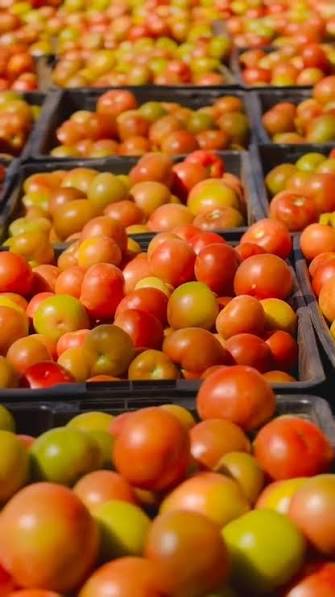
Assila F1 Tomato Seeds
High-yielding determinate tomato hybrid with good heat tolerance.
KES 7,500
KES 7,400
In stock
Genuine, PCPB-registered
Fast nationwide delivery
M-Pesa · Card · Pay on delivery
Product Details
<h1>Assila F1 Tomato Seeds in Kenya</h1><p><br></p><p>Buy Assila F1 Tomato Seeds in Kenya from Farmshield Kenya Limited. Quality hybrid tomato seeds for productive farming and reliable crop establishment.</p><p><br></p><h2>Assila F1 Tomato Seeds in Kenya</h2><p><strong>Assila F1 Tomato Seeds</strong> are hybrid tomato seeds suitable for farmers looking to establish productive tomato crops under suitable growing conditions in Kenya. Tomato farming is an important agricultural activity in Kenya, supplying fresh tomatoes to households, hotels, restaurants, institutions, markets, and food-processing businesses. Choosing quality hybrid tomato seed is an important first step toward establishing a healthy and productive tomato crop.</p><p>Farmshield Kenya Limited supplies <strong>Assila F1 Tomato Seeds in Kenya</strong> for farmers, commercial growers, kitchen gardeners, and agricultural enterprises looking to grow tomatoes for the fresh market. The seeds can be incorporated into a well-planned tomato production programme that includes proper nursery management, field preparation, irrigation, nutrition, pest management, disease monitoring, and timely harvesting.</p><p><br></p><h2>Why Choose Assila F1 Tomato Seeds?</h2><p>Hybrid tomato varieties are commonly selected by farmers because they are developed through controlled breeding programmes to provide specific desirable characteristics. Assila F1 Tomato Seeds can be considered by farmers who want to establish uniform tomato crops while following recommended agronomic practices.</p><p>Using quality seed helps farmers begin production with a reliable foundation. However, crop performance depends on several factors, including soil fertility, climate, water availability, planting practices, crop protection, and general farm management.</p><p>For Kenyan tomato growers, proper selection of seed should be combined with an appropriate production plan. Farmers should consider their local growing conditions, target market, available irrigation, soil type, and recommended agronomic practices before planting.</p><h2>Assila F1 Tomato Seeds for Tomato Farming in Kenya</h2><p>Tomatoes can be grown in different parts of Kenya where environmental and water conditions are suitable. Irrigation can help farmers manage water availability, particularly in areas where rainfall is unreliable. Before planting Assila F1 Tomato Seeds, farmers should select a suitable site with good drainage and adequate sunlight.</p><p>The nursery is an important stage of tomato production. Seeds should be planted in a properly prepared nursery medium that provides good drainage and supports healthy seedling development. Farmers should maintain appropriate moisture without excessive watering and monitor seedlings regularly for pests and diseases.</p><p>Healthy seedlings can then be transplanted into a prepared field at the appropriate stage. Land preparation should aim to provide suitable soil conditions for root development. Organic matter and fertilizers can be incorporated according to soil-test results and crop requirements.</p><h2>Crop Nutrition</h2><p>Tomato plants require balanced nutrition throughout their growth cycle. Nutrient requirements can vary depending on soil fertility, crop stage, production system, and expected yield. Farmers should consider soil testing before developing a fertilizer programme.</p><p>Nitrogen supports vegetative development, while phosphorus contributes to root development and reproductive growth. Potassium is particularly important in tomato production and contributes to several aspects of plant development and fruit quality. Secondary and micronutrients may also be required depending on soil conditions.</p><p>Farmers growing Assila F1 Tomato Seeds should therefore use fertilizers and other crop nutrition products according to professional recommendations and the specific requirements of their farm.</p><h2>Irrigation and Water Management</h2><p>Consistent water management is important for tomato production. Both water stress and excessive watering can negatively affect plant development. Drip irrigation is one option that can help farmers deliver water directly around the root zone while supporting efficient water management.</p><p>The irrigation schedule should take into consideration soil type, weather conditions, crop growth stage, and available water. Good drainage is equally important because prolonged waterlogging can affect tomato roots and overall crop health.</p><h2>Pest and Disease Management</h2><p>Tomato crops can be affected by various pests and diseases. Common tomato production challenges may include insect pests, fungal diseases, bacterial diseases, viral diseases, and nematodes. Farmers should regularly inspect their crops for unusual symptoms, insect activity, leaf damage, wilting, discoloration, or abnormal fruit development.</p><p>Integrated pest management involves combining preventive and monitoring practices with appropriate control measures when necessary. Good field sanitation, crop rotation, proper spacing, weed management, use of healthy planting material, and regular crop scouting can contribute to better crop management.</p><p>Where crop protection products are required, farmers should use registered products according to their labels and recommendations from qualified agricultural professionals.</p><h2>Suitable for Commercial and Small-Scale Farmers</h2><p><strong>Assila F1 Tomato Seeds in Kenya</strong> can be considered by both small-scale and commercial tomato growers. Farmers can develop production plans based on the size of their farms, available irrigation, labour, market demand, and intended production system.</p><p>Commercial tomato farmers should plan their production around their target market. Potential markets may include local fresh produce markets, wholesalers, retailers, hotels, restaurants, supermarkets, and other buyers. Proper harvesting, handling, grading, packaging, and transportation are also important for maintaining produce quality after harvest.</p><h2>Buying Assila F1 Tomato Seeds in Kenya</h2><p>Farmers looking for <strong>Assila F1 Tomato Seeds in Kenya</strong> can source quality agricultural inputs from <strong>Farmshield Kenya Limited</strong>. We provide agricultural products for farmers and growers seeking reliable inputs for crop production.</p><p>Before purchasing, farmers should confirm the seed pack size, recommended growing conditions, planting guidelines, and any specific agronomic recommendations supplied with the product. Following the manufacturer's instructions and local agricultural recommendations can help farmers establish the crop correctly.</p><p>Whether you are starting a small tomato garden or planning commercial tomato production, choosing suitable seed and implementing good agronomic practices are essential components of a successful production programme.</p><h2>Order Assila F1 Tomato Seeds in Kenya</h2><p>Farmshield Kenya Limited provides <strong>Assila F1 Tomato Seeds in Kenya</strong> for farmers seeking quality tomato seed for their agricultural projects. Contact Farmshield Kenya Limited to enquire about product availability, pack sizes, purchasing options, and recommendations for your tomato farming requirements.</p><h3>Related SEO Keywords</h3><ul><li>Assila F1 Tomato Seeds Kenya</li><li>Buy Assila F1 Tomato Seeds in Kenya</li><li>Assila tomato seeds</li><li>F1 tomato seeds Kenya</li><li>Hybrid tomato seeds Kenya</li><li>Tomato seeds for sale in Kenya</li><li>Best tomato seeds for farming</li><li>Tomato farming seeds Kenya</li><li>Quality tomato seeds Kenya</li><li>Tomato seed suppliers in Kenya</li><li>Hybrid tomato farming in Kenya</li><li>Tomato farming inputs Kenya</li><li>Farmshield Kenya Limited</li><li>Agricultural seed</li></ul><p><br></p>
Active ingredient / CompositionHybrid tomato seed (F1)
Target pest / cropFresh-market tomato production
Application / Dosage rate100-150g seed per acre (nursery)
Suitable cropsTomato
Available pack sizes100 seeds, 500 seeds, 1000 seeds
Brand / ManufacturerEast African Seed
Safety & PPE Guidance
Treated seed. Wear gloves. Raise in sterile nursery media.
Related Products
You may also need these.
--62.0%
 --64.0%
 --6.0%
 --5.0%